Home In the studio
Care for earthenware
Low-fired earthenware can carry a meal day after day. Its red body and decorated glaze reward the same close attention at the sink that they get at the table.
At the sink
Pavelka recommended handwashing her pots. She noted that a dishwasher increases the chance of a glaze chipping or developing a network of fine cracks, called crazing. A bowl can be tough enough to serve food and still lose a bit of glaze if its rim strikes another piece.
Before reheating
Her care notes advised against microwaving her earthenware. A pot could become very hot and its glaze might craze sooner. Separate the food from the pot when reheating it, and keep metal utensils out of the microwave. For another maker’s ware, follow the instructions supplied for that particular piece.
A change in the surface
Earthenware is less glasslike after firing than stoneware or porcelain. Glaze gives it a distinct surface. Fine cracks in that surface are different from a crack running through the clay wall. Set aside pieces with a chipped drinking edge or an uncertain repair. A collector’s piece with an unknown history can stay on display.
Moving a fragile pot
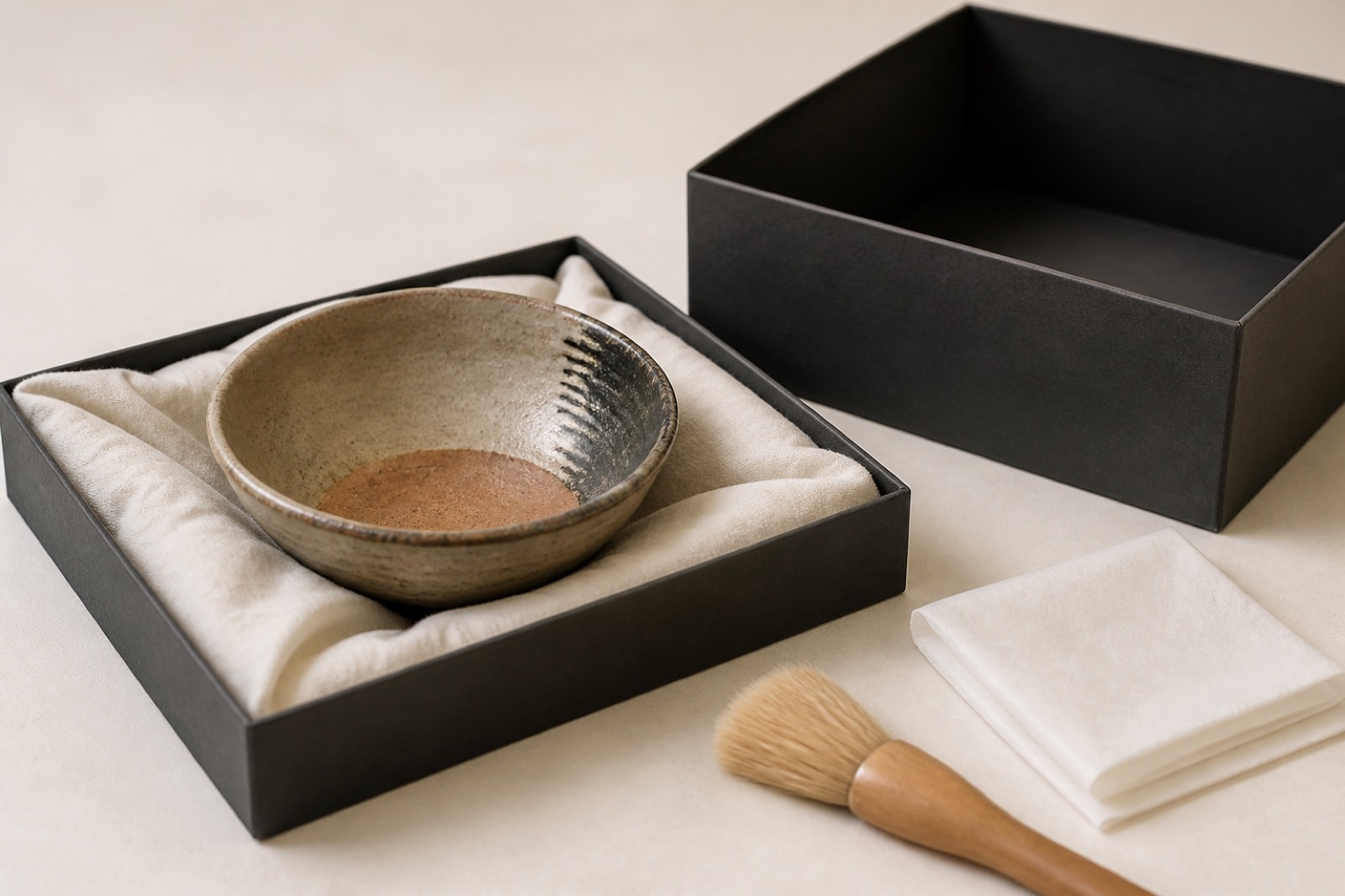
Take off a loose lid and support the body from underneath. Avoid lifting an older piece by a handle or knob. The Canadian Conservation Institute illustrates this with a cup and explains how padding keeps pieces from bumping one another. The Canadian Conservation Institute on handling ceramics.